
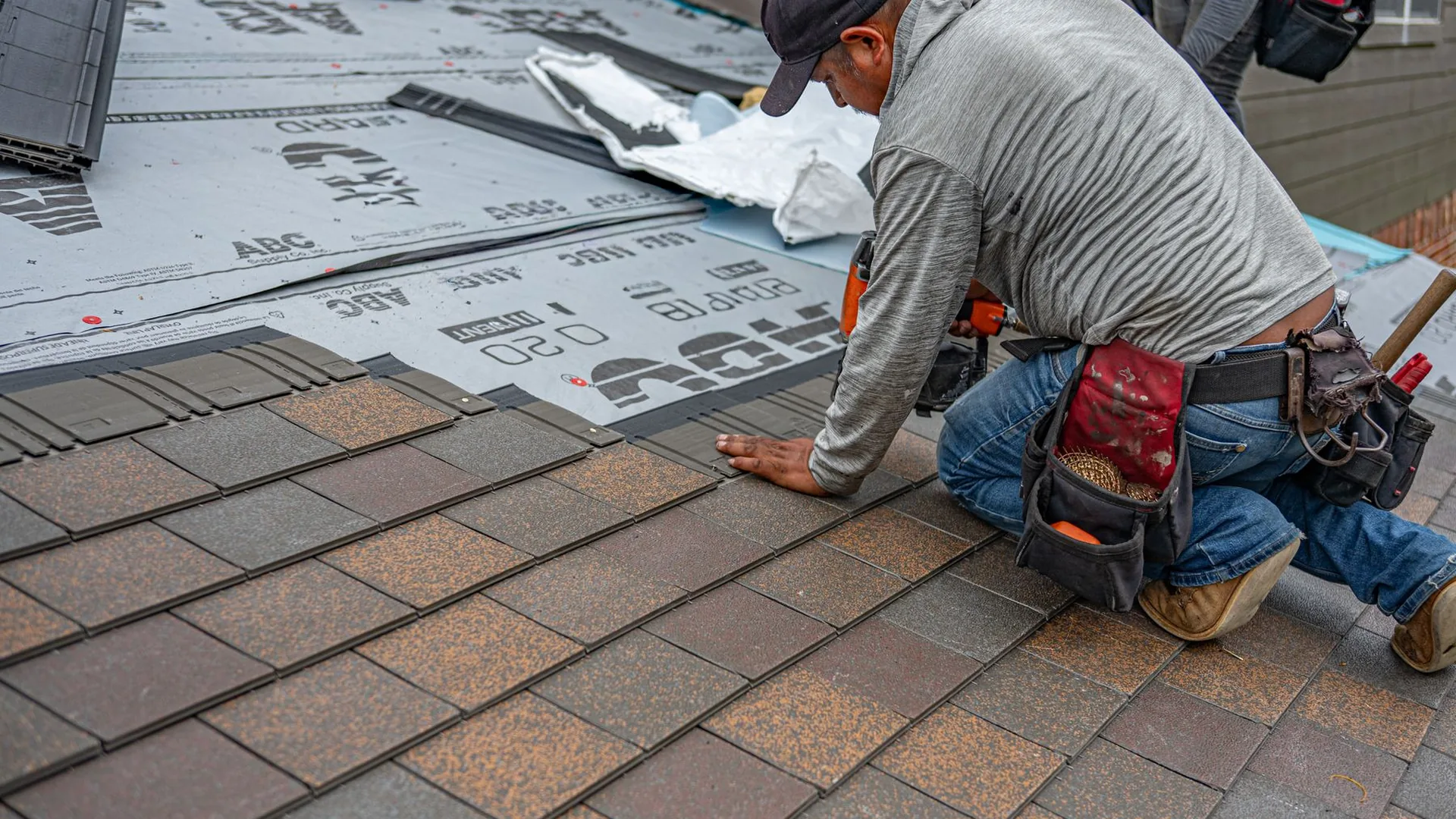
Asphalt shingles are designed to hide most field fasteners beneath the next course. When a nail rises, lands outside the intended fastening zone, or breaks through the shingle surface, it can lift the water-shedding layer and leave a direct opening.
One visible nail does not diagnose the whole roof. It does give an inspector a place to start: the fastener, the surrounding shingles, the deck below, and the pattern across the slope.
What Homeowners Call a Nail Pop
A nail pop usually shows up as a small raised spot under a shingle. The fastener head may press against the underside until the tab tents, cracks, or wears through. In other cases, the metal head is already exposed because it was face-nailed, a covering tab moved, or a patch failed.
Not every bump is a nail. A wrinkle in underlayment, debris left on the deck, a shingle blister, or movement at a deck joint can create a similar profile. Photos from the ground can document the location, but close inspection is needed to identify the cause.
Why Fasteners Rise or Become Exposed
The fastener did not hold solid decking
A nail placed into a deck gap, damaged wood, or a weak spot may not have enough material around its shank. Seasonal movement and normal roof loading can then work it upward. The repair has to check the substrate instead of relying on the same loose hole.
The nail was underdriven or angled
An underdriven head holds the next shingle above its intended plane. An angled head can cut into the shingle or leave one edge raised. Pneumatic-tool pressure, roof temperature, and installer technique all affect how the head seats.
The nail was overdriven
A head driven through the shingle mat loses much of its clamping area. The damaged shingle can move around the fastener even if the nail itself stays in the deck.
The shingle was fastened outside its marked zone
Shingle manufacturers define nail placement, count, and attachment details for each product. A nail too high may miss the portion needed to secure the lower layer. A nail too low may remain exposed or interrupt the visible water path.
A dab of roof cement does not restore fastening strength
Sealant may temporarily cover a metal head, but it cannot make a loose fastener grip damaged decking or repair a split shingle mat. Surface patches also age differently from the shingles around them.
How a Fastener Problem Lets Water In
A raised head can hold a tab open. Wind-driven rain can then move beneath the shingle, while repeated flexing weakens the seal strip. If the head breaks through the surface, water can follow the fastener or enter the enlarged hole around it.
Interior evidence may appear downslope from the opening because water travels along the deck, a fastener, or framing before dripping. A stain near a wall or vent should not automatically be blamed on the nearest visible nail. The full water path still needs to be traced.
Signs You Can Document Safely
- ●Small tented spots or lifted tabs that cast a distinct shadow
- ●Round metal heads visible in the field of the roof
- ●A split, worn circle, or rust-colored mark on a shingle
- ●Repeated bumps running along one course or deck line
- ●A new interior stain after wind-driven rain near the affected slope
Use zoom from the yard or an upper window. Do not walk a steep, wet, hot, or unfamiliar roof to press bumps down. Foot traffic can crease warm shingles, and a lifted tab may tear when handled.
What a Focused Repair Should Check
- 01Mark every visible bump and exposed fastener, then look for a repeated pattern across the slope.
- 02Lift or remove only enough material to identify the fastener position, shingle damage, and deck condition.
- 03Remove or abandon the failed fastener and avoid reusing a loose hole.
- 04Restore fastening in a sound location according to the shingle manufacturer's instructions.
- 05Replace torn, split, brittle, or unsealable shingles and document the concealed repair with photos.
Isolated defects can often be handled as a repair. Many lifted courses may point to a broader fastening pattern, deck issue, or aged shingle seal. If the roof is already brittle or leaking in several areas, compare the repair scope with the guidance in our roof repair versus replacement guide. If the concern is loose mineral surfacing rather than a raised head, see our guide to roof granules in gutters.
Frequently Asked Questions
What does a roof nail pop look like?
A nail pop often appears as a small raised spot beneath a shingle or as a fastener head pushing through the surface. A lifted tab, split shingle, or round exposed metal head may be visible nearby. Similar bumps can have other causes, so a roofer should confirm the detail before repairing it.
Will one exposed roof nail cause a leak?
An exposed fastener creates a possible water-entry point, but the result depends on its location, the surrounding shingle, and the layers below. It deserves inspection before rust, movement, or a split enlarges the opening.
Can I hammer a popped roof nail back down?
Driving the same fastener back into a loose hole may not restore its hold, and walking on a roof adds fall and shingle-damage risk. A lasting repair usually removes or abandons the failed fastener, checks the deck, and restores the shingle course with a new fastening location and compatible materials.
Why are roofing nails normally hidden?
Most field shingles are fastened in a manufacturer-defined nailing zone that the next course covers. The overlap sheds water and protects the fasteners from direct weather. Some specified details use exposed fasteners with dedicated sealing methods, but random face nails are not the normal field pattern.
Does a nail pop mean the whole roof needs replacement?
Not by itself. A few isolated fastener problems may allow a focused repair when the shingles and deck remain sound. Widespread lifted courses, brittle shingles, repeated leaks, or a weak deck can point to a larger installation or roof-condition problem.
Get the Fastener and the Deck Checked
Platinum Roofing inspects asphalt-shingle concerns across Grand Rapids, Jenison, Holland, Muskegon, Kalamazoo, and nearby West Michigan communities. Call or text (616) 256-0831 or send us photos of the raised spot, the surrounding slope, and any interior stain.