
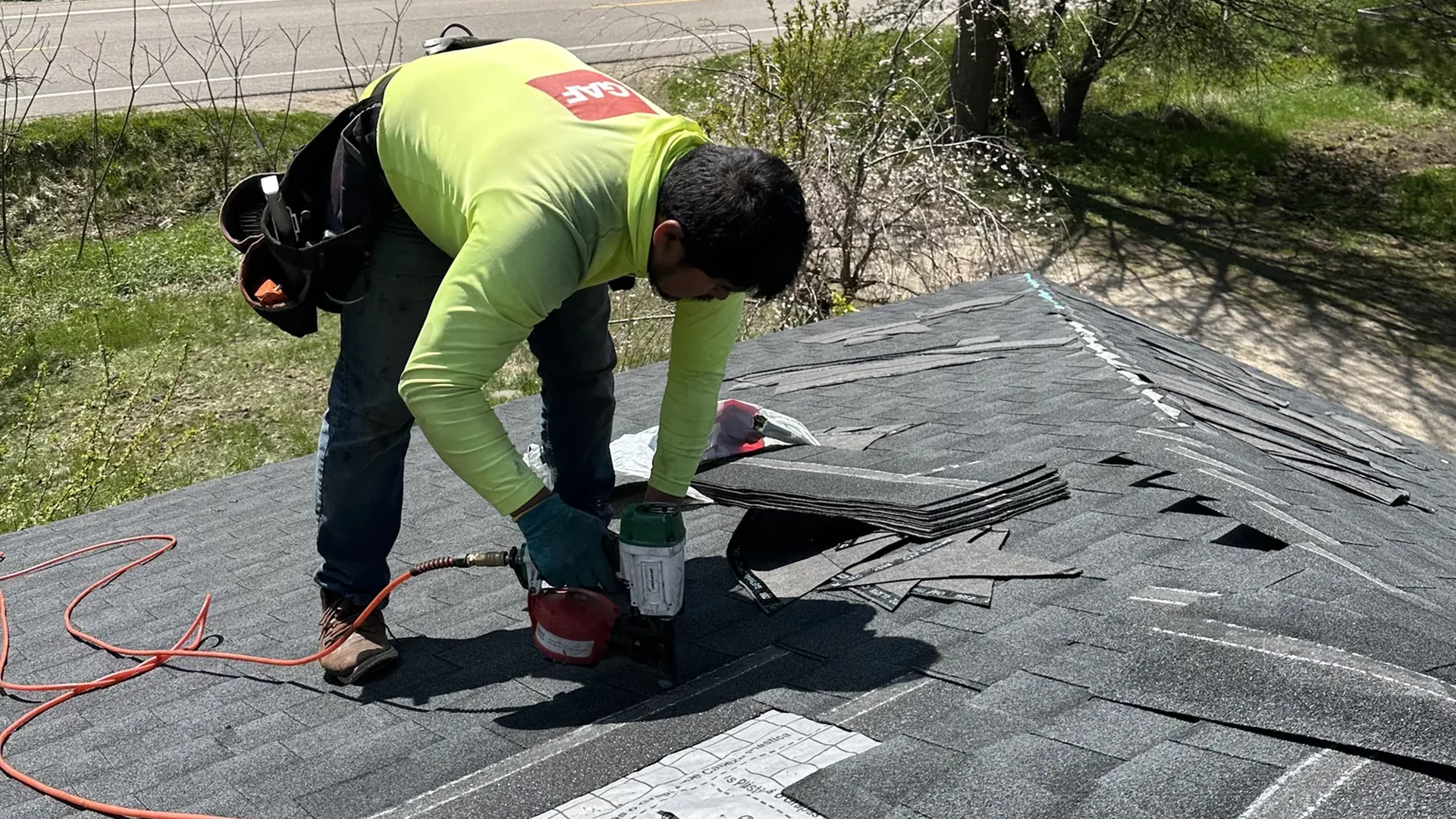
A roofing proposal can use the word warranty several times without explaining who stands behind each promise. The shingle manufacturer may cover a qualifying product defect. The contractor may cover a qualifying installation error. Those are separate obligations with separate terms.
Before work starts, ask for the actual documents or sample terms. A number in a sales presentation does not tell you what is covered, how coverage changes over time, what maintenance is expected, or how a claim must be reported. The written terms do.
Start With the Two Main Warranty Types
A manufacturer material warranty addresses covered roofing products. If a qualifying defect appears, the manufacturer follows the remedy described in its warranty. The document may distinguish among shingles, accessory products, labor, disposal, and other costs. Coverage and remedies vary by product and warranty level.
A contractor workmanship warranty addresses covered installation errors. It should identify the contractor, the roof, the coverage period, owner responsibilities, exclusions, and the process for requesting service. Ask who handles the call if the company changes ownership or stops operating.
One roof can involve several documents
The signed contract, manufacturer warranty, contractor workmanship warranty, paid invoice, product list, registration confirmation, and installation photos each answer a different question. Keep the complete set instead of relying on one line in the proposal.
Basic and Enhanced Manufacturer Coverage
Manufacturers may offer more than one coverage level. A standard product warranty may come with qualifying materials. Enhanced options can require a defined group of system components, an eligible contractor, registration, or other steps in the current program.
Do not choose by the largest year printed on a brochure. Compare what the warranty says about covered products, labor, tear-off, disposal, proration, transfer, notice, and remedies. Ask the roofer to identify the exact warranty name in the estimate. Platinum installs GAF residential systems, but the coverage on any job depends on the selected system and the documents issued for that project.
What a Workmanship Warranty Should Identify
The workmanship document should describe the work it covers. A full replacement involves shingles, underlayment, flashing, ventilation, fasteners, and roof penetrations. Vague language makes it difficult to tell whether a later leak belongs to the original installation or a different condition.
Read the response process too. Look for a service contact, notice method, inspection process, owner duties, and remedy. Ask whether a repair performed by someone else affects coverage. Our guide to reading a roofing estimate explains which installation details should already be in the job scope.
A Warranty Is Not a Maintenance Plan
Warranties generally address defined defects or covered workmanship. They do not make every future roof problem the responsibility of the manufacturer or installer. Storm damage, falling branches, animal damage, later construction, neglected drainage, and unauthorized roof changes may fall outside the warranty terms.
Ventilation and the supporting roof assembly also matter. Excess heat and moisture can damage a roof without proving a shingle defect. Keep gutters and drainage paths clear, address new penetrations correctly, and document inspections or repairs. Read the exact exclusions instead of assuming a long term covers every cause of failure.
Storm Damage and Insurance Are Separate
A hail bruise or wind-creased shingle is different from a manufacturing defect. Homeowners insurance may address a covered weather event under the policy, while a warranty addresses the conditions written into its own terms. Neither document should be used as a substitute for reading the other.
After a storm, record the date and visible conditions before repair. Our guide to the first 48 hours after roof storm damage covers safe documentation and temporary mitigation.
Registration, Transfer, and Records
Ask who submits any required registration and what proof comes back. Verify your name, property address, contractor, installation date, products, and warranty level. Save the confirmation as a PDF and keep a printed copy with the paid invoice.
Transfer rules matter if you sell the home. Some documents require notice or a transfer request within a stated window. Others limit the number of transfers or change the remaining coverage. Review those steps while the records are easy to find, not during a rushed closing.
Seven Questions to Ask Before Signing
- 01What is the exact manufacturer warranty name for this roof system?
- 02Which products, labor, removal, and disposal costs are addressed in the written terms?
- 03What separate workmanship warranty does the contractor provide?
- 04Who registers the warranty, and what confirmation will I receive?
- 05Which exclusions and maintenance duties apply?
- 06Can the coverage transfer to a buyer, and what steps are required?
- 07Who do I contact, and what evidence should I preserve if a problem appears?
Frequently Asked Questions
What is the difference between a roofing material warranty and a workmanship warranty?
A material warranty comes from the manufacturer and addresses qualifying defects in covered products under its written terms. A workmanship warranty comes from the roofing contractor and addresses covered installation errors under that contractor's written terms. Homeowners should receive both documents when both forms of coverage are part of the job.
Does a roofing warranty cover storm damage?
Usually, storm damage is handled separately from a defect or workmanship warranty. Wind, hail, falling limbs, and other outside events may belong under homeowners insurance or a separate repair. Read the exact warranty and policy rather than assuming one replaces the other.
Do I need to register a new roof warranty?
Registration rules vary by manufacturer and coverage level. Ask the contractor who registers the roof, what information is submitted, when it is due, and what confirmation you will receive. Keep that confirmation with the contract, invoice, product list, and installation photos.
Can a roof warranty transfer to a new homeowner?
Some warranties allow a transfer and others limit it by time, owner count, notice, or paperwork. The written manufacturer and contractor terms control. Review transfer steps before a sale instead of relying on the word transferable in a proposal.
What should I do if I think I have a roof warranty claim?
Limit further damage when it is safe, photograph the condition, note when it began, and contact the party named in the warranty. Keep invoices for temporary work and avoid permanent changes that remove evidence before the roof can be inspected.
Leave the Job With a Complete Roof File
The best time to organize warranty records is before the final payment. Confirm the finished scope, collect photos, save the paid invoice, and verify any manufacturer registration. If a problem appears years later, those records make the first call much clearer.
Platinum Roofing provides residential roof inspections across Grand Rapids, Jenison, Holland, Muskegon, Kalamazoo, and surrounding West Michigan communities. To review your roof and replacement scope, call or text (616) 256-0831 or send the project details through our contact form.