
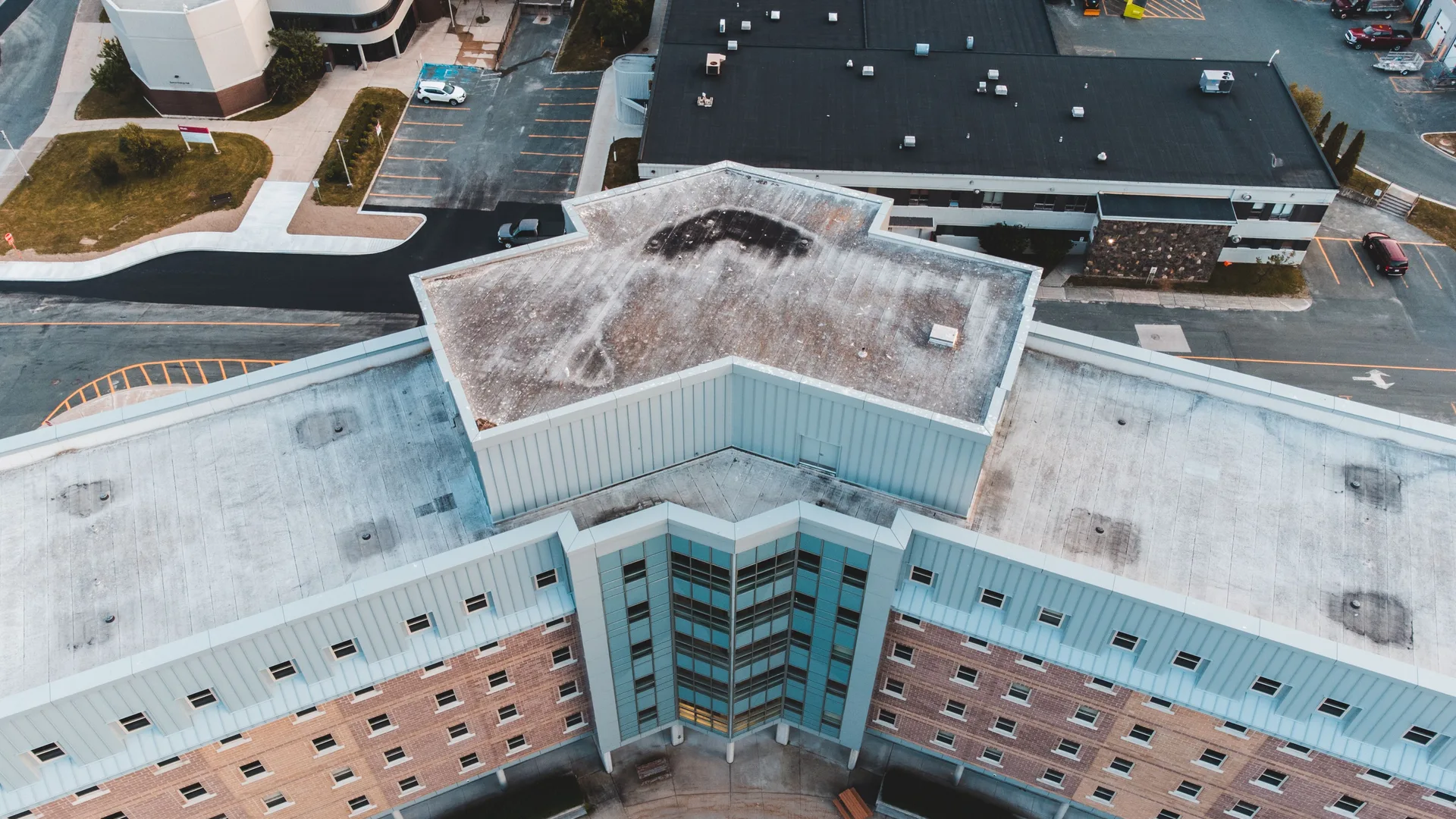
A commercial roof may contain thousands of feet of seams. Sheets meet across the field, around patches, at walls, beside drains, and around every curb or penetration. Each lap has to remain watertight while the roof moves through sun, cold, wind, rain, maintenance traffic, and normal building movement.
When a seam starts to open, the visible gap may be only a few inches long. The weak or contaminated area can extend farther beneath the top sheet. A quick bead of sealant over the edge can hide that condition without restoring the bond below it.
A Seam Is Part of a Specific Roof System
The word seam covers several different connections. Single-ply membranes may use heat-welded or adhesive seams. Modified bitumen and built-up roofs use overlapping sheets, plies, or flashing materials joined by system-specific methods. Coated roofs may have reinforced seams beneath or within the coating.
That difference controls the inspection and repair. A material that works on one membrane can damage or fail to bond to another. Before anyone reaches for a cleaner, primer, tape, cement, coating, or hot-air welder, the roof system and existing repair materials need to be identified.
Do not pull on a loose edge just to see how far it goes
Lifting a membrane can extend the opening, tear aged material, or disturb a seam that was still bonded. Document what is visible and let the repair plan define how much material must be opened and rebuilt.
Why Commercial Roof Seams Open
Seams can lose strength when the original surfaces were damp, dusty, oxidized, wrinkled, or poorly prepared. Inadequate welding, uneven adhesive, narrow overlap, movement before curing, or incompatible repair products can leave a weak connection from the start.
Service conditions matter too. Repeated temperature changes move large membrane sheets. Wind can stress loose edges. Water and debris can collect at a low spot. Tools, hoses, and foot traffic can catch a lap near frequently serviced equipment. Movement at a curb, wall, drain, or perimeter can concentrate stress where field seams meet more complicated flashing.
An opening may also begin beside an old patch rather than in the original seam. If the patch is too small, poorly terminated, or bonded to deteriorated material, its edge becomes the next vulnerable lap.
Warning Signs Property Teams Can Document
Look for lifted corners, uneven lap edges, splits, cracks, fishmouth-shaped openings, loose cover strips, exposed reinforcement, or a dark dirt line disappearing beneath the top sheet. Rusted fasteners or displaced termination bars near the seam may point to movement in the detail rather than a field-lap problem alone.
Inside the building, record when and where water appears. A drip below one seam does not prove the opening sits directly above it. Water can travel along the deck, insulation facer, structural members, conduit, or other components before reaching the occupied space.
Inspect Beyond the Visible Opening
A useful inspection follows the seam in both directions and checks every nearby intersection. That includes T-joints, end laps, patches, drains, curbs, walls, penetrations, and perimeter details. The inspector should also note wrinkles, blisters, surface wear, ponding patterns, and traffic marks that may be loading the seam.
Our articles on commercial roof traffic and commercial drainage paths explain two surrounding conditions that often affect seam repair decisions.
Moisture Findings Change the Scope
An open lap is a possible entry point, but it does not reveal how far water traveled or whether insulation became wet. Surface staining may be old. A clean-looking area may still contain moisture beneath the membrane. Interior leak records, non-destructive moisture screening, and selected verification points help define the condition more accurately.
If wet insulation or damaged substrate is found, sealing only the seam leaves the affected material in place. The repair scope should identify removal limits, replace unsound layers, and tie the new roofing into dry, secure material. Read our roof moisture mapping guide for more about what screening can and cannot show.
Temporary Protection Is Different From a Finished Repair
Active water entry may require temporary protection before full repair conditions are available. The temporary work still needs to be compatible with the roof and clearly documented. Smearing general-purpose sealant or roof cement across an unknown membrane can make later cleaning and welding harder.
Mark every temporary repair on a roof plan and schedule the permanent scope. A patch that stops an immediate drip should not disappear from the maintenance record once the weather clears.
What a Durable Seam Repair Should Address
- 01Identify the existing membrane, seam construction, coatings, and previous repair materials before selecting a repair method.
- 02Map and photograph the full affected run, including intersections, loose edges, wrinkles, patches, drainage areas, and nearby traffic paths.
- 03Check for trapped moisture or damaged substrate and define removal limits where evidence supports opening the assembly.
- 04Prepare clean, sound, dry surfaces and use materials compatible with the existing roof system and applicable written requirements.
- 05Extend the repair into secure roofing, finish every edge and intersection, then document the completed work with wide and close photos.
Keep Seam Conditions in the Roof Record
Dated photographs from the same positions help a facility team see whether a lap remains stable or changes. Record the seam location, roof area, repair date, products used, weather conditions, moisture findings, contractor, and the next inspection date.
Recheck repaired areas after severe weather, rooftop service work, and the next practical rain event. Regular roof inspections should include representative field seams and every high-stress transition, not just the location of the last interior leak.
Frequently Asked Questions
What does an open roof seam look like?
An open seam may show a lifted edge, visible gap, loose corner, split cover strip, exposed adhesive, cracked weld, or dirt line beneath the lap. Some openings are difficult to confirm visually, so a qualified roofer may use careful probing methods appropriate for the roof system.
Can an open commercial roof seam be sealed with caulk?
A surface bead may provide temporary protection in a limited situation, but it does not replace a system-compatible seam repair. The repair needs clean, sound, dry material and enough width to tie back into secure roofing.
Does an open seam mean the insulation is wet?
Not necessarily. An opening creates a possible water path, but surface appearance alone cannot prove whether moisture reached the insulation. Interior observations, moisture screening, and selected verification methods help define the affected area.
Should every membrane seam be coated?
No. Existing seams should be inspected and repaired according to the roof system and product requirements before any broader coating work. Coating over a loose, contaminated, or wet seam can hide the defect without restoring adhesion.
What should a commercial seam repair estimate include?
It should identify the roof system, map the affected seams, describe cleaning and preparation, name compatible repair materials, address wet or damaged layers where found, state termination details, and include final inspection photos.
Map the Seam Before Choosing the Patch
Platinum Roofing inspects and restores commercial roofs across Grand Rapids, Jenison, Holland, Muskegon, Kalamazoo, and nearby West Michigan communities. Call or text (616) 256-0831 to schedule a free commercial roof assessment.