
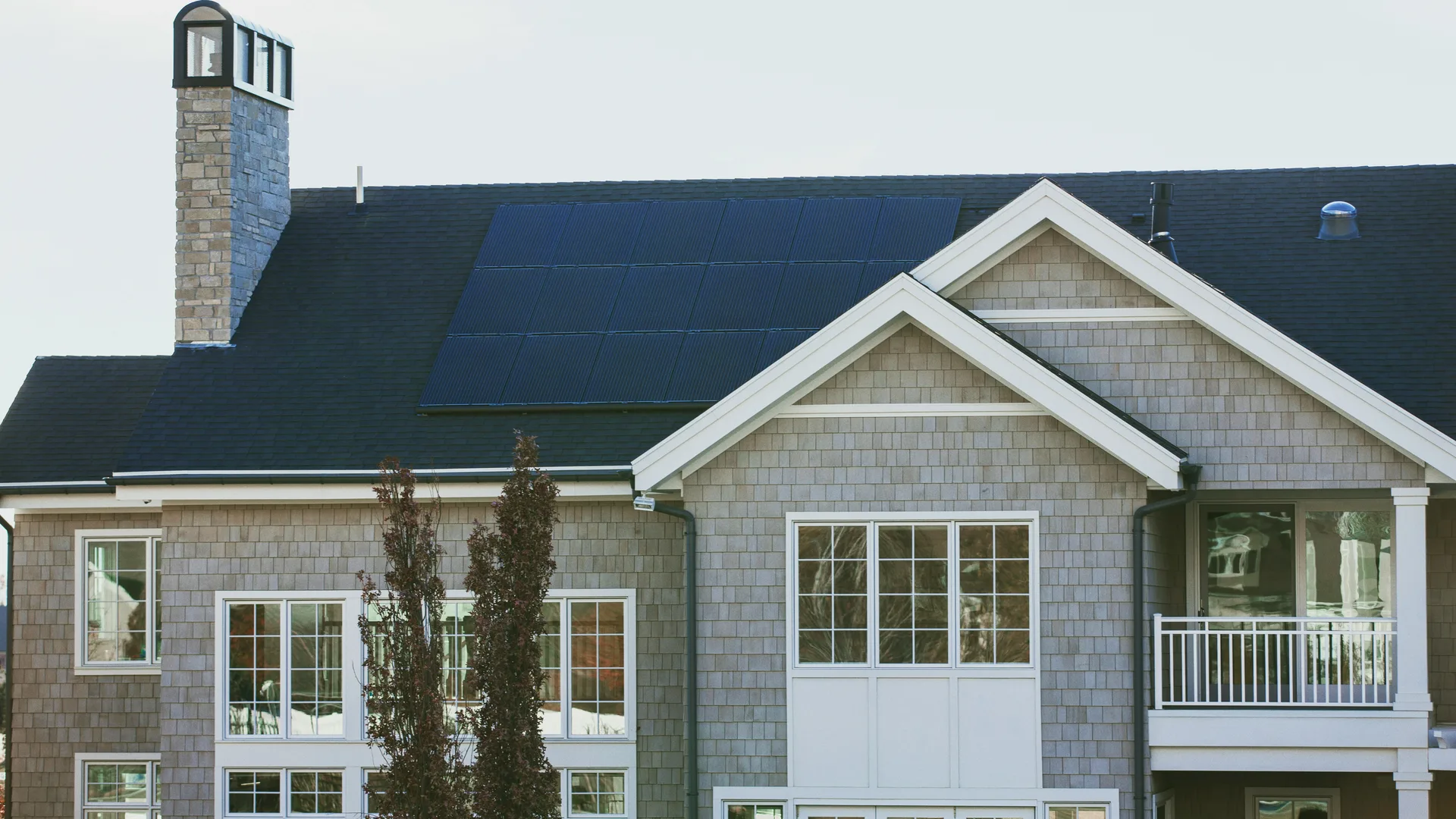
Solar panels can remain on a house through years of Michigan sun, rain, wind, snow, and freeze-thaw cycles. The asphalt shingles beneath them continue aging during the same period, but they become harder to see and reach.
That makes timing important. A homeowner planning solar on an existing roof should understand the roof condition first. A homeowner planning roof repair or replacement beneath an existing array needs a written handoff between the roofing and solar contractors before either crew arrives.
Inspect the Roof Before Finalizing the Solar Layout
A useful pre-solar inspection looks beyond the shingle color and the age printed in a home record. The roofer should check accessible decking, shingle wear, previous repairs, valleys, walls, chimneys, plumbing vents, attic ventilation, drainage, and any active or past leak evidence.
The goal is to document what will become less accessible. Our guide to roof service life in West Michigan explains why installation date is only one part of the condition assessment.
A roof and solar proposal should use the same roof plan
Mark array boundaries, roof penetrations, valleys, ridges, walls, vents, chimneys, service paths, and known repairs. Both contractors can then identify access conflicts before equipment covers the work area.
Document the Roof Before It Is Covered
Take wide photos of every roof slope and close photos of flashing, repairs, exposed fasteners, surface wear, and planned mount areas. Attic photos can preserve the condition of accessible decking and any old water marks. Keep these images with the roof and solar contracts.
Ask each contractor to photograph concealed work as it progresses. Roof mount locations, flashing components, underlayment repairs, replaced decking, wire routes, and final seals are easier to discuss later when dated images show how the layers were assembled.
Solar Mounts Interrupt the Finished Roof Surface
Many rooftop arrays attach to structural framing through the roofing assembly. The exact mount and flashing method depends on the system, roof, and installation plan. The waterproofing detail has to move rain around each attachment while the rack and roof experience normal movement.
The work should also respect nearby shingle joints, roof edges, valleys, vents, chimneys, and other flashings. Sealant alone should not be treated as a substitute for the mounting system's complete water-management detail. Our article on the layers beneath asphalt shingles explains what may be disturbed when a roof penetration is made.
A Leak Near Solar Still Needs Diagnosis
A ceiling stain below an array does not prove a mount is leaking. Water may enter at a nearby vent, wall, ridge, damaged shingle, or older repair and travel along the deck before appearing indoors. Condensation or a non-roof source can create a similar stain.
Record the timing, weather, interior location, and any changes before materials are moved. If panels block safe access to the suspected area, the inspection plan should state who will make the array safe and who will remove the necessary components. Do not disconnect, lift, or work around energized equipment without qualified help.
Plan Removal Before a Roof Repair or Replacement
A roofing crew needs clear access to remove shingles, inspect decking, install underlayment, rebuild flashing, and place new shingles in the intended fastening pattern. Working around panel edges may leave hidden roof areas untouched and can prevent a complete deck inspection.
The written plan should identify who shuts the system down, removes panels and racks, protects and stores components, marks hardware, and returns after the roof is ready. It should also identify who checks the system after reinstallation. Avoid scheduling assumptions that leave an open roof waiting for another trade.
Decide Which Mounting Components Will Return
The new roof scope should not assume every old flashing or attachment will be reused. The qualified contractors need to inspect the system, follow applicable written instructions, and state which components will be replaced or reinstalled.
Any abandoned roof penetrations need a defined repair. Covering an old hole with a new shingle without restoring the underlying water-management layers leaves uncertainty beneath the finished surface.
Build One Coordinated Schedule
- 01Inspect and photograph the roof, attic where accessible, solar layout, mounts, flashings, and known leak or repair areas.
- 02Define the solar shutdown, removal, labeling, storage, and roof-access sequence before the roofing date is confirmed.
- 03Complete tear-off or focused repair, document decking and hidden layers, and close every used or abandoned penetration.
- 04Allow the roofing contractor to finish and inspect the roof before mounting components return.
- 05Reinstall and check the solar system, then collect final roof and solar photos in one permanent property record.
Compare Both Contracts for Gaps
The roofing agreement should describe roof access, tear-off or repair limits, decking terms, underlayment, flashing, penetrations, cleanup, and final documentation. The solar agreement should describe shutdown, removal, storage, mounting components, reinstallation, system checks, and responsibility for damage during that work.
Ask who handles a schedule change, a damaged component, unexpected soft decking, or a mount location that conflicts with new flashing. Written answers reduce the chance that each contractor assumes the other one owns the same step. Our roofing estimate guide can help homeowners compare what the roof portion includes.
Frequently Asked Questions
Should I replace an older roof before installing solar panels?
The roof should be inspected before the solar scope is finalized. Its age alone does not settle the decision, but worn shingles, soft decking, active leaks, failing flashing, or limited remaining service life may make roofing work practical before the array is installed.
Can a roofer repair shingles under solar panels?
Access depends on the location and scope. Panels and related components may need to be removed by a qualified solar contractor before the roofer can inspect decking, replace shingles, or rebuild flashing beneath the array.
Do solar mounts always cause roof leaks?
No. A properly designed and installed mounting system can remain watertight. A leak near an array still needs tracing because it may involve a mount, nearby flashing, damaged shingles, roof wear, condensation, or another water path.
Who removes solar panels for a roof replacement?
The contract should name the qualified party responsible for shutdown, removal, storage, reinstallation, testing, and documentation. The roofer and solar contractor should agree on timing and roof-access responsibilities before work starts.
What records should I keep after roofing and solar work?
Keep roof and solar contracts, product details, array layout, mount locations, removal and reinstallation scope, dated photos, inspection results, electrical closeout records, and the contact information for each contractor.
Inspect the Roof Before Scheduling Both Crews
Platinum Roofing inspects, repairs, and replaces residential roofs across Grand Rapids, Jenison, Holland, Muskegon, Kalamazoo, and nearby West Michigan communities. Call or text (616) 256-0831 to schedule a free roof assessment before solar or roofing work begins.